C-295 Purchase
Airbus Defense and Space and Tata Advance System Limited (TASL), will jointly execute the project to equip the air force with the new transport aircraft under the Make-in-India initiative in the aerospace sector
Airbus will supply the first 16 aircrafts in flyway condition while the remaining 40 will be assembled in India by TASL
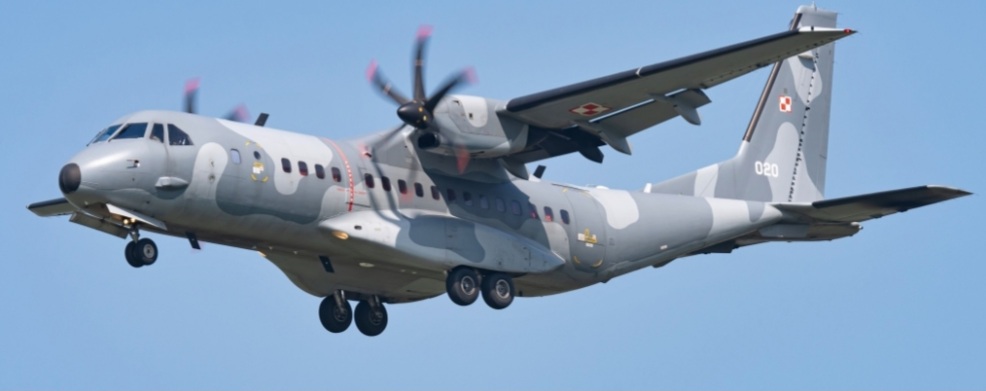
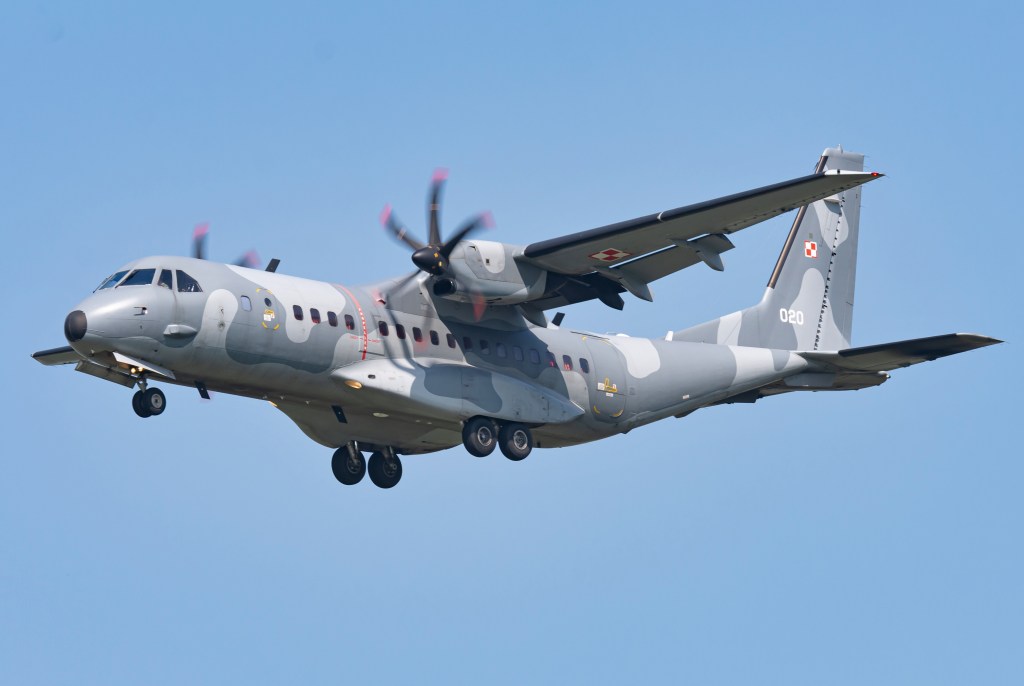
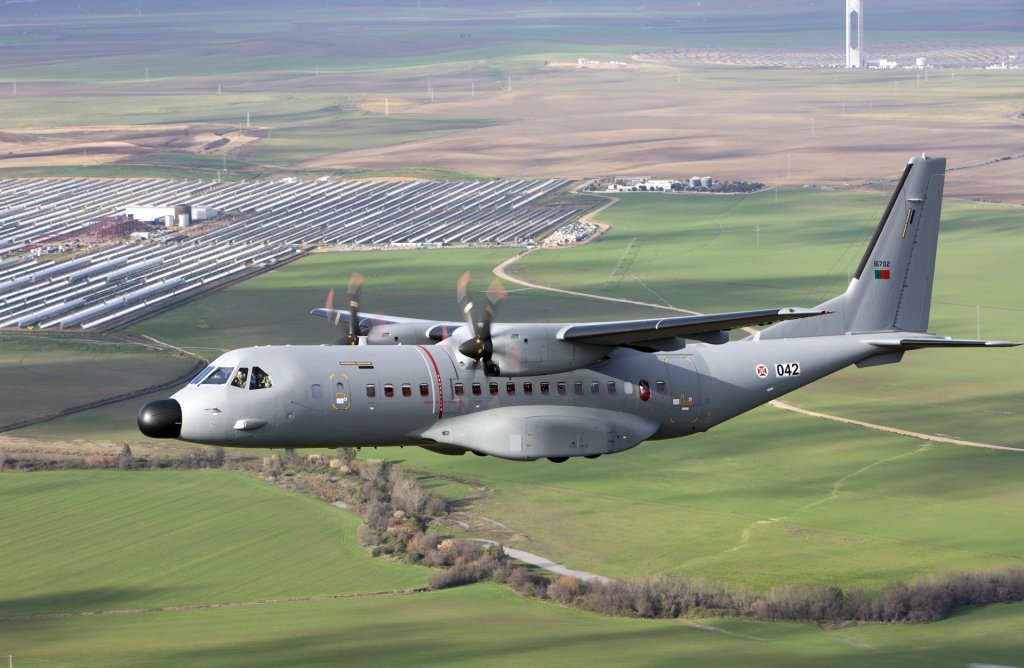
C-295
The CASA C-295 is a medium tactical transport aircraft that was designed by the Spanish company CASA in the 1990s as a development of the CASA-Nurtanio CN-235
Make in India
All 56 aircraft will be installed with indigenous electronic warfare suite. The project will give a boost to aerospace ecosystem in India wherein severak MSMEs spread over the country will be involved in manufacturing parts of the aircraft
Key figures and specifications
- Range-2,000 nm (with 6.0 t of payload)
- Flight hours-Up to 11 hours in the air
- Load capacity-71 troops, 50 paratroopers and five pallets
Some more details
The Aircraft will be manufactured in Spain and all the purchases are done from the European countries
Why is this purchase important?
C-295 will replace our IAF’s old AVRO aircrafts, AVRO was designed in 1960s and has been serving for India for a long time now, even the company that created AVRO got disbanded. But as time passes the old designs and old aircrafts brings less facilities and high chances of risk, we witnessed the greatest loss in the year 1991, when we lost 28 IAF personals among them 25 were trained to serve the IAF for crucial times in the future. Till date every year IAF Memorializes their death and pays tribute to them.
After this incident in 2000 IAF discussed with the government of India to rather discontinue the aircraft or not and it too 21 years to replace the old aircraft with C-295
Military operations
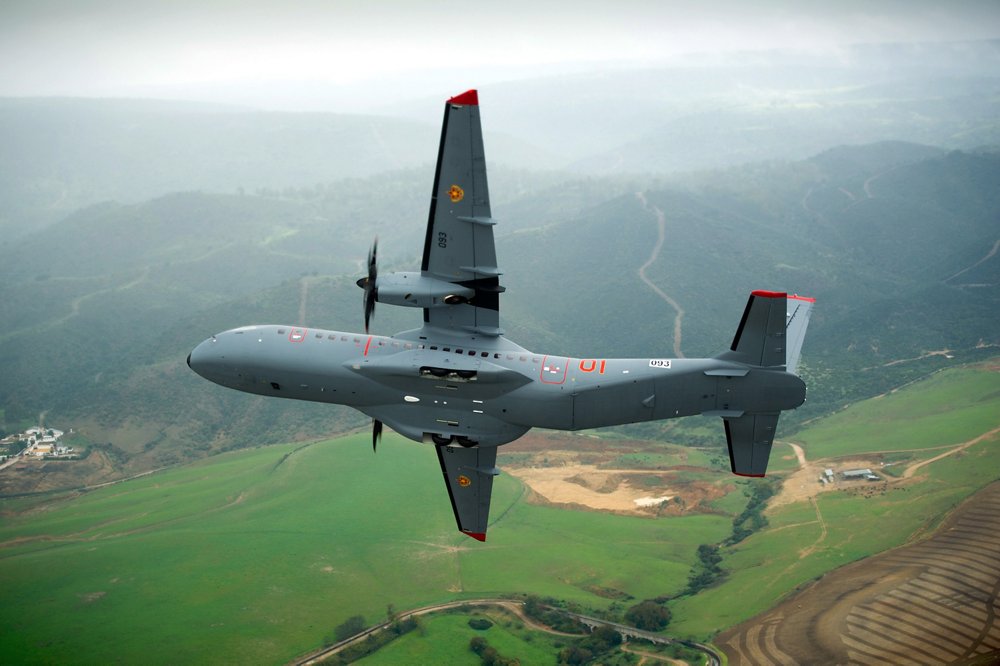
A combat-proven aircraft
The C295 aircraft is combat-proven and has successfully completed military missions in all types of environments. It routinely operates in the hot and humid environments of the Brazilian jungle and Colombian mountains, in the dusty and very hot deserts of Algeria and Jordan, and in the extremely cold winters and icy conditions of Poland and Finland.
The C295 has been successfully used during long deployments (up to two years, flying up to 90 hours per plane per month) in remote areas, such as Chad, Iraq and Afghanistan. The C295 has become the most trusted airlifter in its category, being used either as single transport type, or as a versatile and efficient complement to heavy airlifters and transport helicopters.
Tactical Transport
Tactical transport of troops and the required logistic supplies (water, food, ammunition, medical supplies, spare parts) from the main operating base to the forward bases and among forward locations. The C295 can use short unprepared airstrips not accessible to heavier aircraft.

Paratroops
Airdrop of paratroops and loads, with the use of 88in-width platforms and container delivery system (CDS) A22 bundles
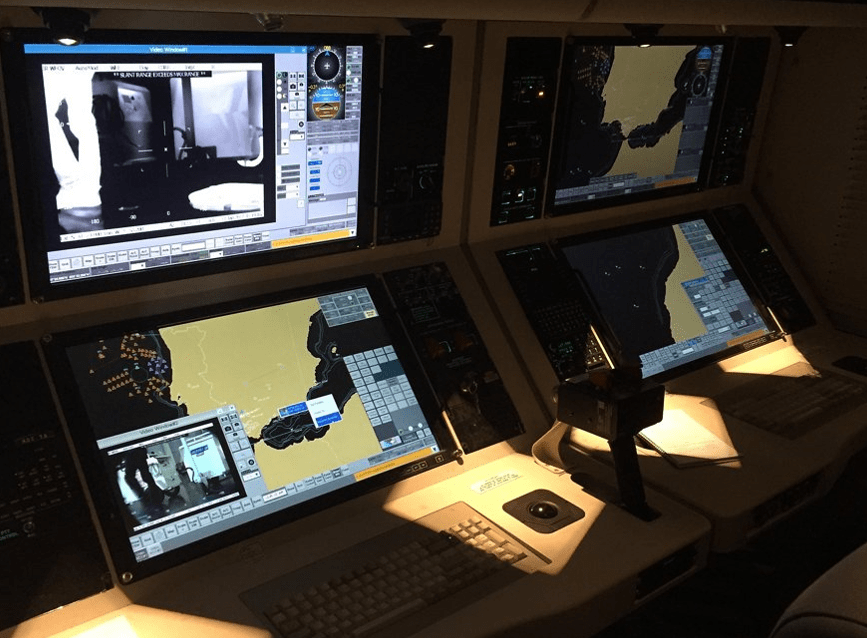
FITS
Activities related to antiterrorism, border control and homeland security, thanks to its integrated surveillance systems, including the Fully Integrated Tactical System (FITS).
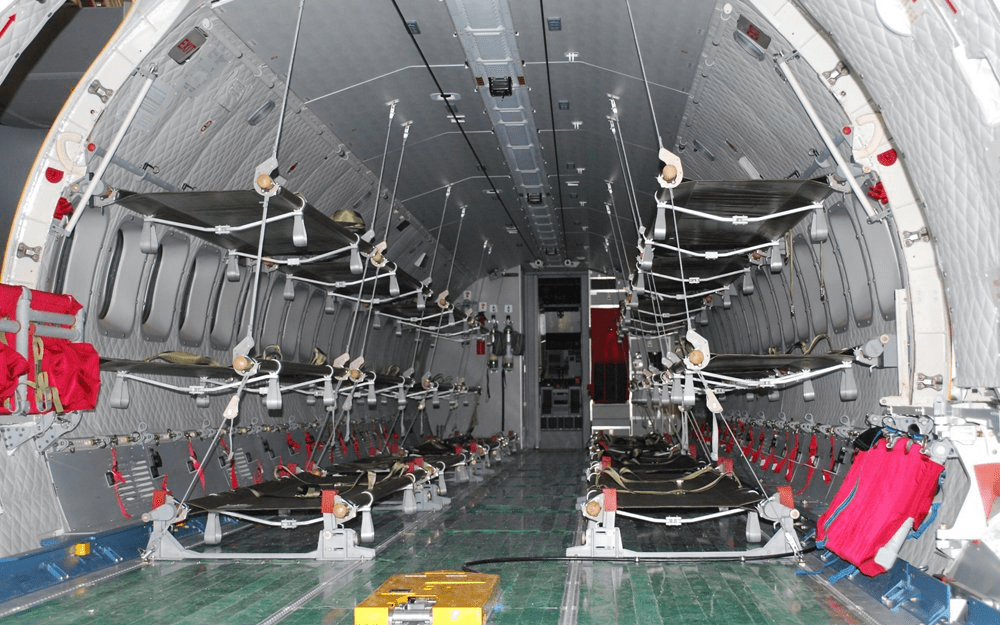
Medevac
Casualty evacuation (Casevac) and medical evacuation (Medevac) using either basic litters or mobile intensive care units (ICU) with life support equipment.
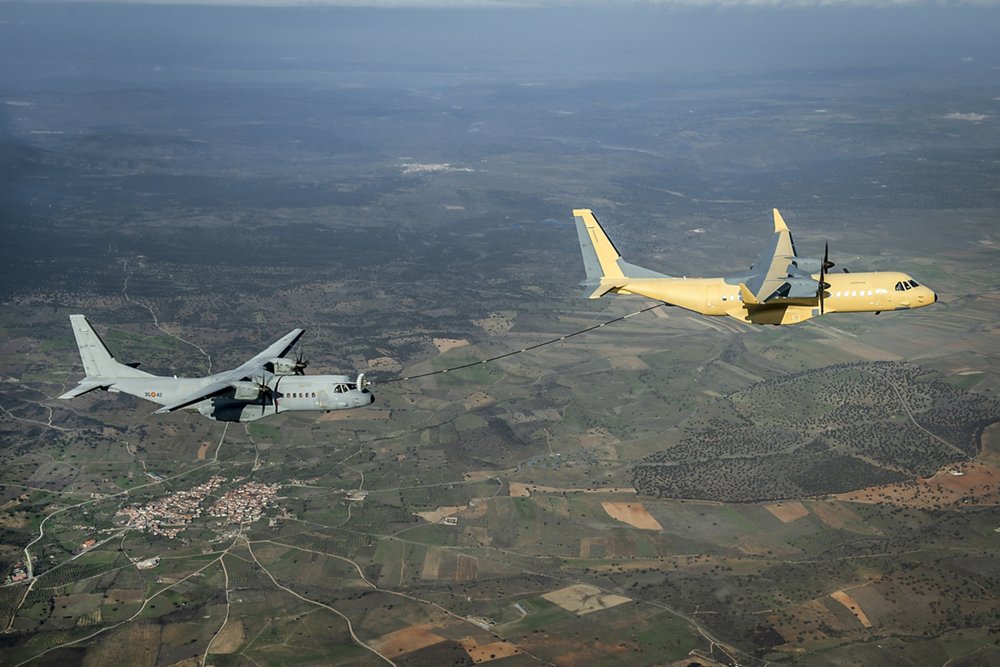
Refuelling
The C295’s ability to serve as an aerial tanker brings additional flexibility to this tactical transport – further increasing its already-proven versatility and opening new mission opportunities.
The first demonstration was performed in 2016, when a C295W medium transport conducted multiple contacts with a standard Spanish Air Force C295. A few months later in early 2017, the C295W successfully conducted refueling contacts with a H225M Caracal helicopter.
In 2020, the C295 achieved its first wet contacts during an air-to-air tanker flight test campaign – utilizing a 100-ft.-long deployable hose with a “basket” at the end, which enables the transfer of fuel to receiver aircraft equipped with a probe.
Benefits
The program will allow the Indian private sector to enter into the technology intensive and highly competitive aviation industry and will augment domestic aviation manufacturing resulting in reduced imports and expected increase in exports, it said.
“The program will act as a catalyst in employment generation and is expected to generate 600 highly skilled jobs directly, over 3,000 indirect jobs and an additional 3,000 medium skill employment opportunities….It will involve development of specialised infrastructure in the form of hangars, buildings, aprons, and taxiways” as said
This might be the last time India invests any amount of money overseas for building aircrafts, because after this project TASL will be capable enough to build and develop aircrafts
Source- AIRBUS
 DuckDesk