
MAY YOUR BLESSINGS MIXED WITH AIR AND UNLOCK MY HAIRS. MAY RAIN BRINGS YOUR UNWRITTEN LETTERS OF HEART. THOUGH I DON’T WALK WITHOUT CHAPPLAS BUT WHEN THE RAIN FALL FOR THE THEORY GROUND, I LIKE TO LET MY FEETS BARE. ONLY A LITTLE EMOTION I CAN SHOW TO YOU. BECAUSE I KNOW YOU WON’T UNDERSTAND MY WRITINGS AND WORDS TOO. THERE IS NO ONE SINGLE IN THIS WORLD, ALL ARE CONNECTED TO SOME OR THE OTHER. IF THERE IS A POET IS SINGLE THEN IT IS DEFINITELY A MATTER, BECAUSE HE SPENDS HIS WHOLE LIFE IN SEARCHING FOR HIS CONNECTION.
What is there??
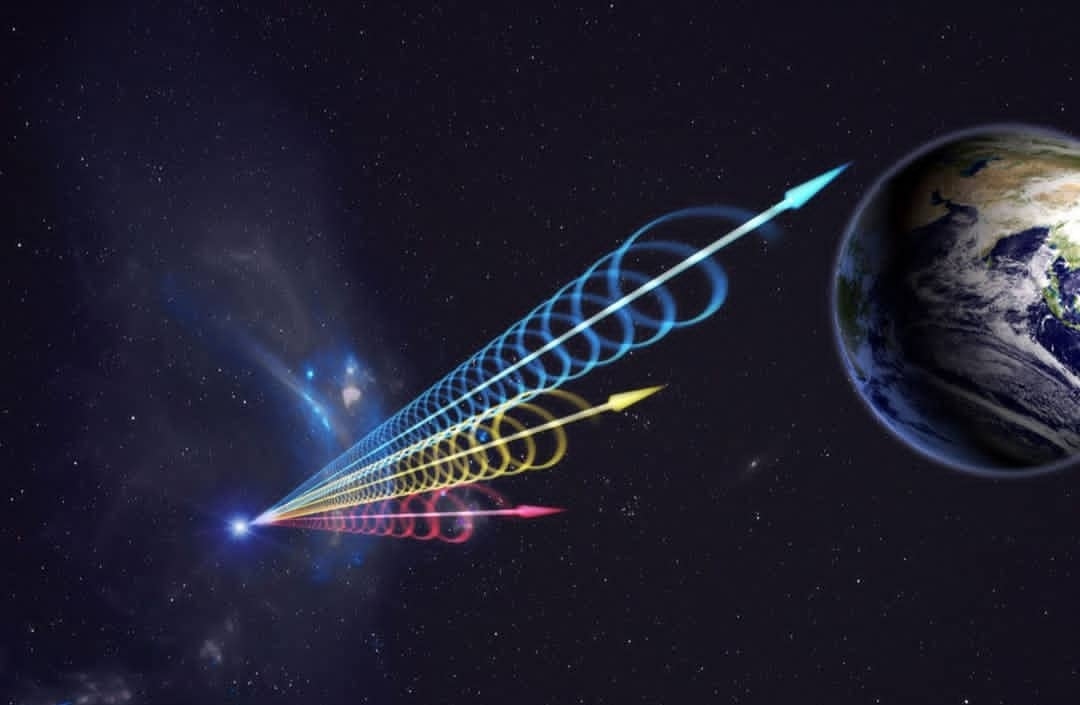
“We’ve never seen anything like it”
University of Sydney researchers detect strange radio waves from the heart of the Milky Way which fit no currently understood pattern of variable radio source & could suggest a new class of stellar object.
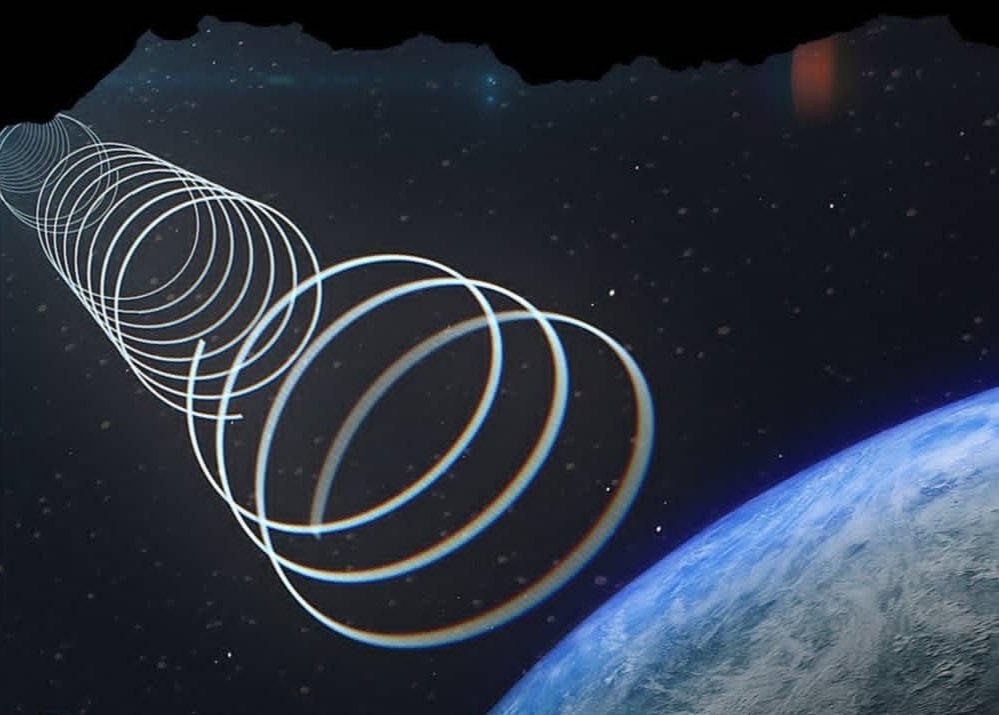
The strangest property of this new signal is that it has a very high polarisation. This means its light oscillates in only one direction, but that direction rotates with time. The brightness of the object also varies dramatically, by a factor of 100, and the signal switches on and off apparently at random. Astronomers have never seen anything like it.
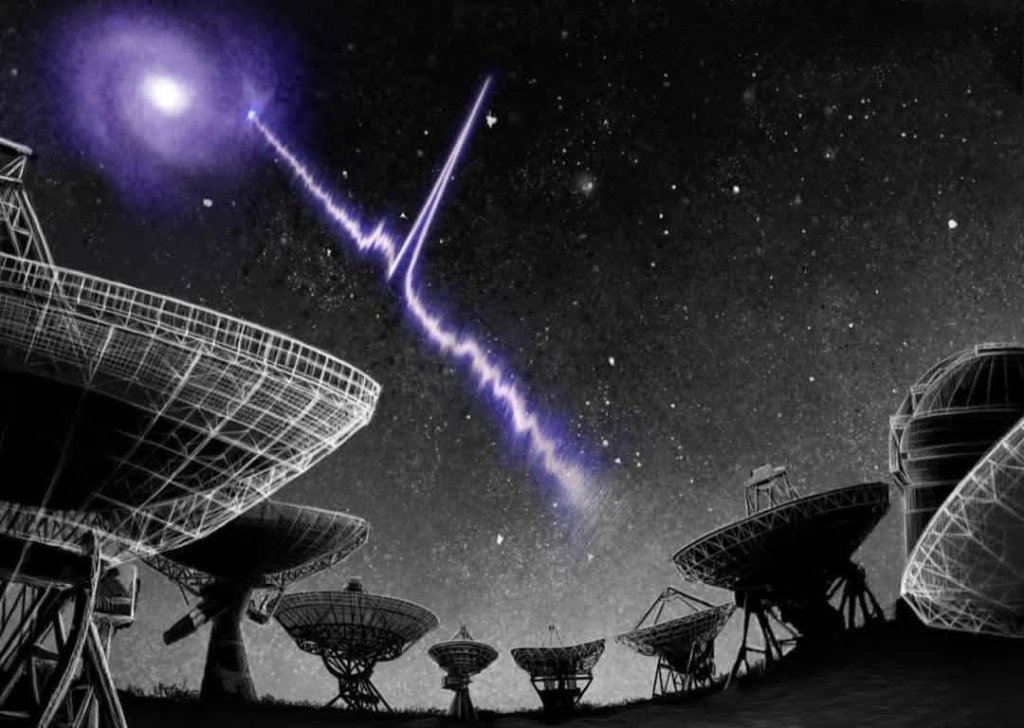
Luckily the signal showed up again, but the behaviour of the source was dramatically different – the source disappeared in a single day, even though it had lasted for weeks in their previous ASKAP observations.
_HE LIVES WITHEN_

YES, JUST A LITTLE
MORE A LITTLE LONGER
LET ME CLOSE MY EYES.
MAY THE DAYS ARE BUSY.
BUT I WANNA RECALL
HIM EVERYDAY TWICE.
THEY ASK WHAT HURTS?
AND ASK ABOUT THE
REASON OF HIS GONE TOO.
AS THE DEMONS CAN’T
UNDERSTAND THE COST
OF LOVE WHEN IT REST IN BLUE. THE SHADOW BEHIND MY BACK MAKE A BEAM OF LIGHT A LITTLE BRIGHTER.
IT WON’T LET ME BREAK.
I KNOW, I HAVE TO WAKE UP EVERYDAY FOR HIS SAKE.
_I WISH, IT’S TRUE_

I WISH IT ISN’T A
FAIRY TALE!
CAUSE I’M DREAMING FOR STAYING BY YOUR SIDE FOREVER. I KNOW, I CAN FIGURE OUT LOVE ONE DAY
BUT FOR NOW THE
FEELINGS THAT BRINGS BUTTERFLIES IN MY STOMACH IS ENOUGH. I WISH, WE COULD
STAND FOR EACH OTHER’S FAVOUR. LET’S PROVE, IF THERE’S SOMETHING CALLED FOREVER.
JUST HOLD MY HANDS
AND PROMISE NOT TO LEAVE. ALTHOUGH, I KNOW, IT’S GONNA BE TOUGH.
NASA Launches Spacecraft: A 12 Year Mission for LUCY
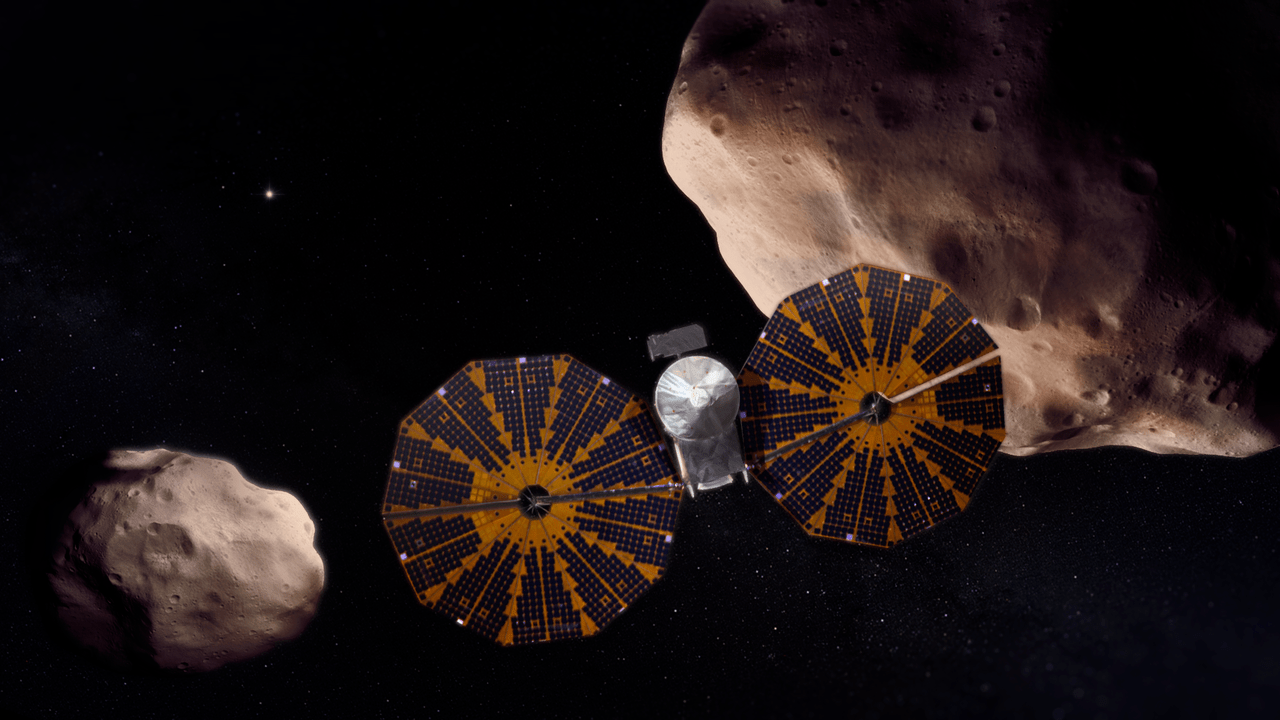
NASA launched a spacecraft called Lucy on a 12-year mission to explore Jupiter’s Trojan asteroids for the first time on Saturday, gathering new insights into the solar system’s formation.
The Atlas V rocket responsible for propelling the probe took off at 5:34 am local time (0934 GMT) from Cape Canaveral.
Named after an ancient fossil of a pre-human ancestor, Lucy will become the first solar-powered spacecraft to venture so far from the Sun, and will observe more asteroids than any probe before it — eight in all.

Lucy will also make three Earth flybys for gravity assists, making it the first spacecraft to return to our planet’s vicinity from the outer solar system.
“Each one of those asteroids, each one of those pristine samples, provide a part of the story of the solar system, the story of us,” Thomas Zurbuchen, associate administrator of NASA’s Science Mission, told reporters on a call. Lucy’s first encounter will be in 2025 with asteroid Donaldjohanson in the Main Belt, between Mars and Jupiter. The asteroid is named after the discoverer of the Lucy fossil.
Between 2027 and 2033, it will encounter seven Trojan asteroids — five in the swarm that leads Jupiter, and two in the swarm that trails the gas giant. The largest of them is about 60 miles (95 kilometers) in diameter.
Lucy will fly by its target objects within 250 miles (400 kilometers) of their surfaces, and use its onboard instruments and large antenna to investigate their geology, including composition, mass, density and volume.
– Diamond in the sky –
The Jupiter Trojan asteroids, thought to number well over 7,000, are leftover raw materials from the formation of our solar system’s giant planets — Jupiter, Saturn, Uranus and Neptune.

Scientists believe they hold vital clues about the composition and physical conditions in the protoplanetary disk from which all the Sun’s planets, including Earth, formed.
They are broadly grouped into two swarms — the leading swarm is one-sixth a lap ahead of Jupiter while the trailing swarm is one-sixth behind.
“One of the really surprising things about the Trojans, when we started to study them from the ground, is how different they are from one another, particularly with their colors,” said Hal Levison, the mission’s key scientist.
Some are gray, while others are red — with the differences indicating how far away from the Sun they might have formed before assuming their present trajectory.
Lucy the fossil was discovered in Ethiopia in 1974 and helped shed light on human evolution. The space mission’s name was chosen with the hope that it will shed light on the solar system’s evolution.
The paleoanthropologists who discovered the hominin remains named her after the Beatles’ song “Lucy in the Sky with Diamonds”, which they were playing loudly at the expedition camp.
Lucy the probe is carrying a diamond beam splitter into the sky — the Lucy Thermal Emission Spectrometer, which detects far infrared radiation, to map asteroid surface temperatures.
By measuring the temperature at different times of day, the team can deduce physical properties such as how much dust, sand or rock is present.
 DuckDesk