On 27 August 1883, the Earth let out a noise louder than any it has made since.
“The Loudest Sound In The World Would Kill You On The Spot“
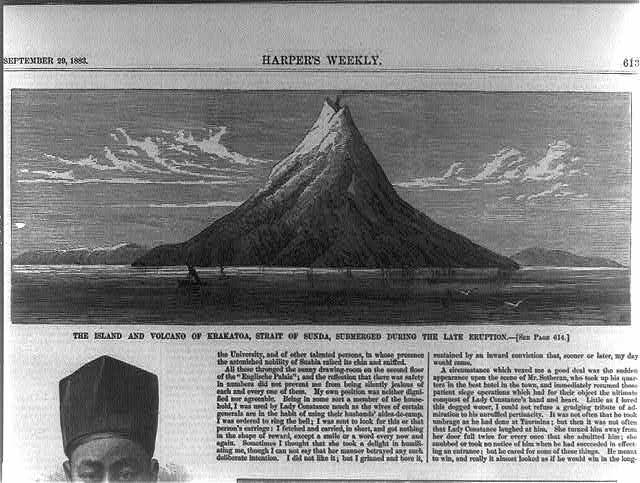
It was 10:02 AM local time when the sound emerged from the island of Krakatoa, which sits between Java and Sumatra in Indonesia. It was heard 1,300 miles away in the Andaman and Nicobar islands , 2,000 miles away in New Guinea and Western Australia and even 3,000 miles away in the Indian Ocean island of Rodrigues, near Mauritius. In all, it was heard by people in over 50 different geographical locations, together spanning an area covering a thirteenth of the globe.
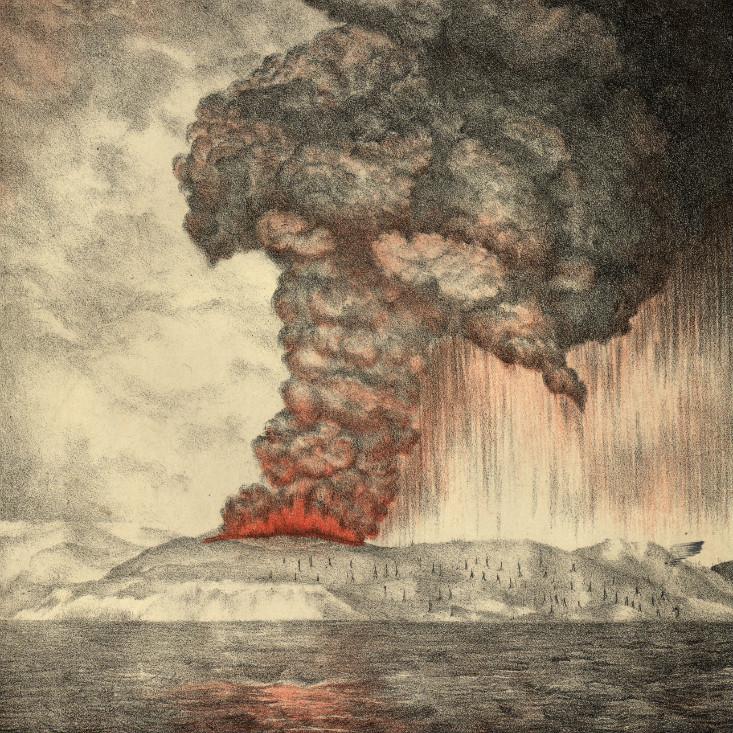
Think, for a moment, just how crazy this is. So what could possibly create such an earth-shatteringly loud bang? A volcano on Krakatoa had just erupted with a force so great that it tore the island apart, emitting a plume of smoke that reached 17 miles into the atmosphere, according to a geologist who witnessed it.
This explosion created a deadly tsunami with waves over a hundred feet (30 meters) in height. One hundred sixty-five coastal villages and settlements were swept away and entirely destroyed. In all, the Dutch (the colonial rulers of Indonesia at the time) estimated the death toll at 36,417, while other estimates exceed 120,000.
The British ship Norham Castle was 40 miles from Krakatoa at the time of the explosion. The ship’s captain wrote in his log, “So violent are the explosions that the ear-drums of over half my crew have been shattered.
The Krakatoa explosion registered 172 decibels at 100 miles from the source. This is so astonishingly loud, that it’s inching up against the limits of what we mean by “sound.”
It’s said that Lord Ganesha’s mother, Goddess Parvati, carved an idol of a boy out of turmeric powder and breathed life into it, unbeknownst to her husband, Lord Shiva.
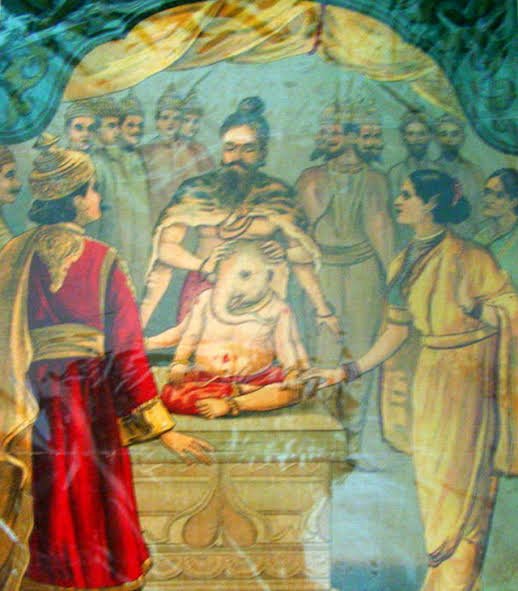
So, when Ganesha denied Lord Shiva entry into his abode–because Goddess Parvati was bathing inside–Shiva decapitated Ganesha’s head in anger. According to legend, an elephant was the first animal that Lord Brahma later found when he went out to look for one (to replace Ganesha’s head).
2.Writing the Mahabhrata
It’s said that Ganesha wrote the Mahabharata, as it was recited to him by sage Vyasa . According to legends this was done on the condition that Vyasa would not stop while reciting the epic and that Ganesha would not stop while writing, besides the condition that Ganesha would not merely write it, but also understand every verse of it. Popular legends say that it took both of them three years of continuous speaking and writing to complete the epic
3.The half-tusk
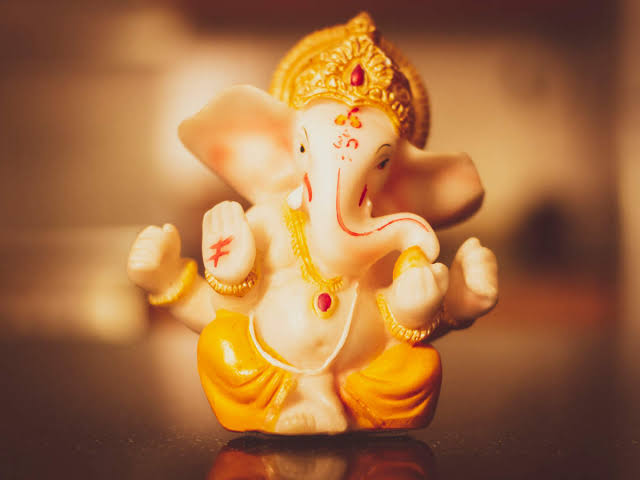
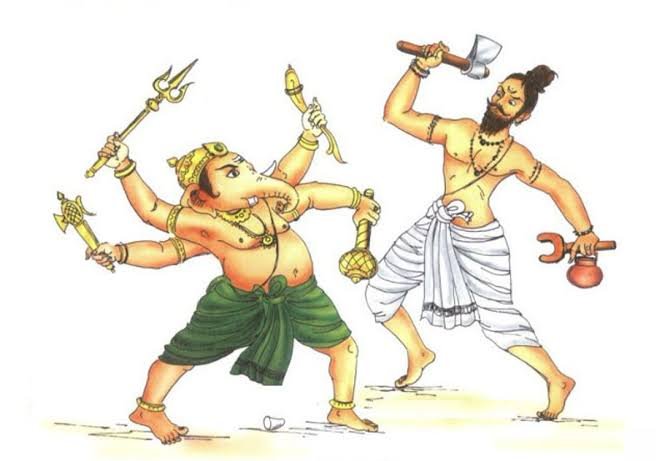
If you’ve ever noticed the idol of Lord Ganesha carefully, you’d have noticed the broken tusk. As legend goes, when Ganesha was writing the Mahabharata, the feather he was writing with broke. So, to stick to the condition of writing continuously, Ganesha broke his tusk and wrote with it.
Some are also of the belief that Lord Parashurama cut off one of Ganesha’s tusks because he didn’t allow him to enter the Shiva abode and meet Lord Shiva, who was busy praying.
4.Mushak
First, in ancient times, when agriculture was the primary mode of sustenance, rodents were one of the biggest obstacles to prosperity–as they are for farmers even today. Destroying crops, eating stored grains are all in a day’s work for a rodent. Lord Ganesha, in having a mouse/rat as his vehicle, is symbolically shown to have conquered this pest, thus staying true to his name and work as the destroyer of obstacles, according to biodiversity of India.
Second, Lord Ganesha was able to reach all the nooks and crannies of the world–and do his duty as the destroyer of obstacles–because his vehicle was a mouse–because mice/rats can slither through tiny holes and narrow pathways.
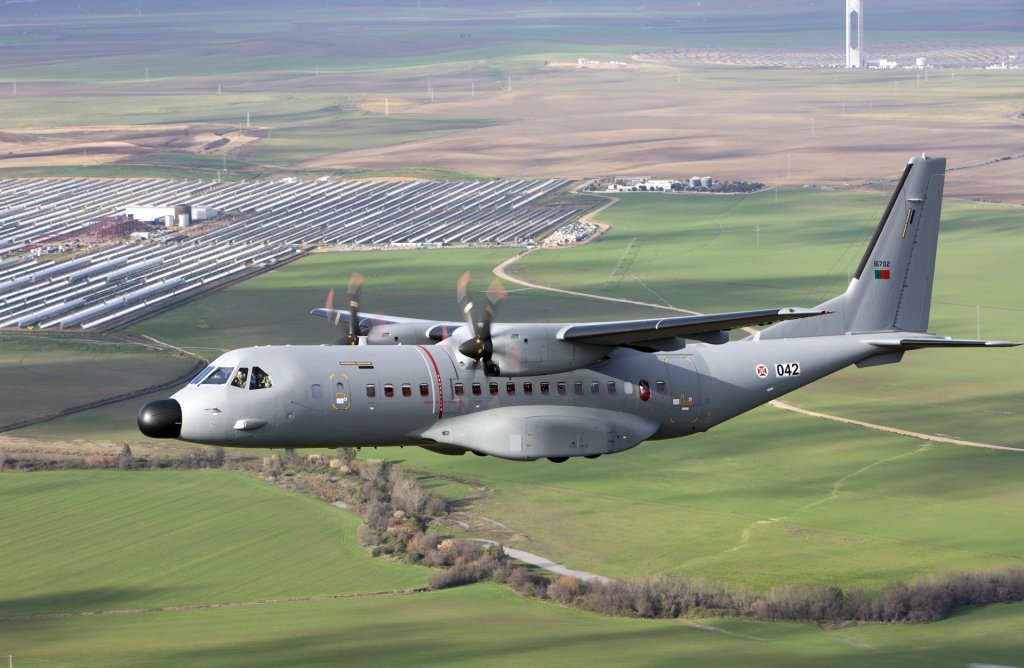
Airbus Defense and Space and Tata Advance System Limited (TASL), will jointly execute the project to equip the air force with the new transport aircraft under the Make-in-India initiative in the aerospace sector Airbus will supply the first 16 aircrafts in flyway condition while the remaining 40 will be assembled in India by TASL
C-295
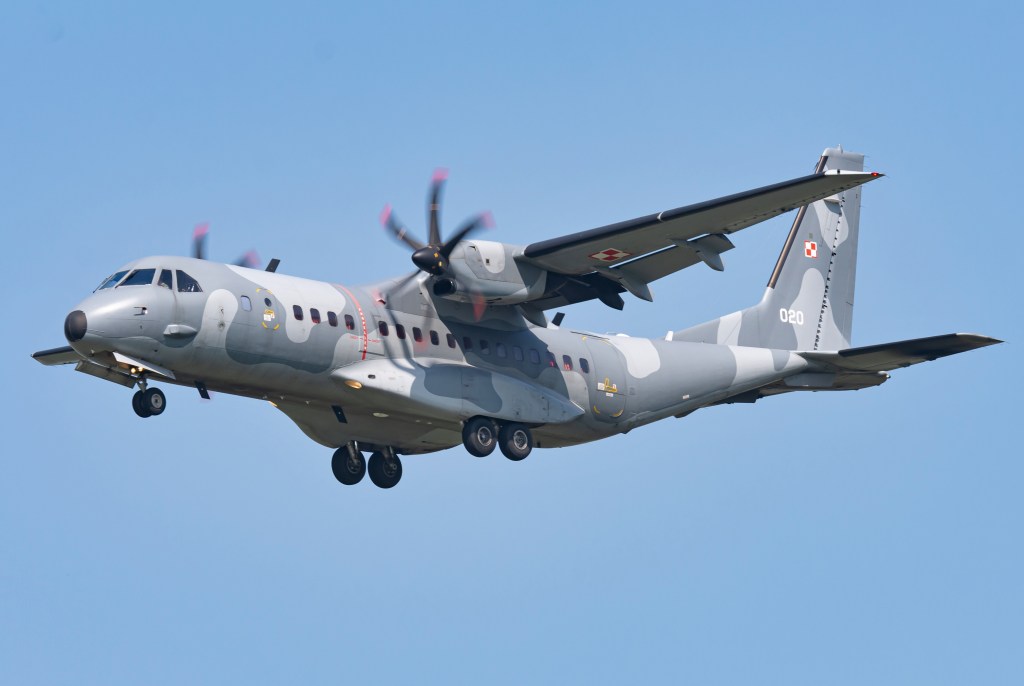
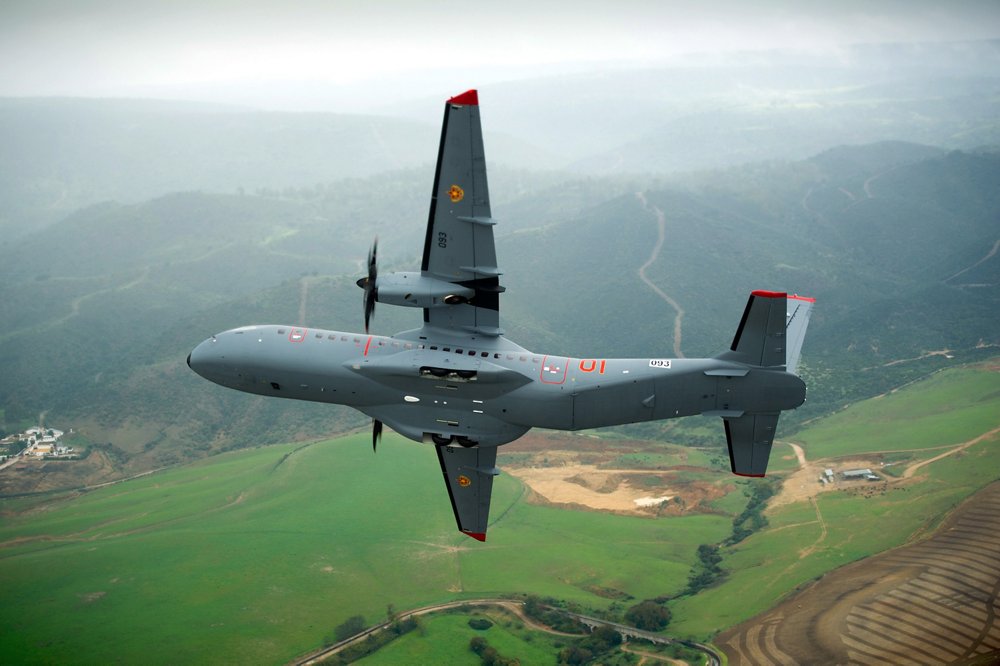
The CASA C-295 is a medium tactical transport aircraft that was designed by the Spanish company CASA in the 1990s as a development of the CASA-Nurtanio CN-235
Make in India
All 56 aircraft will be installed with indigenous electronic warfare suite. The project will give a boost to aerospace ecosystem in India wherein severak MSMEs spread over the country will be involved in manufacturing parts of the aircraft
Key figures and specifications
Range-2,000 nm (with 6.0 t of payload)
Flight hours-Up to 11 hours in the air
Load capacity-71 troops, 50 paratroopers and five pallets
Some more details
The Aircraft will be manufactured in Spain and all the purchases are done from the European countries
Why is this purchase important?
C-295 will replace our IAF’s old AVRO aircrafts, AVRO was designed in 1960s and has been serving for India for a long time now, even the company that created AVRO got disbanded. But as time passes the old designs and old aircrafts brings less facilities and high chances of risk, we witnessed the greatest loss in the year 1991, when we lost 28 IAF personals among them 25 were trained to serve the IAF for crucial times in the future. Till date every year IAF Memorializes their death and pays tribute to them. After this incident in 2000 IAF discussed with the government of India to rather discontinue the aircraft or not and it too 21 years to replace the old aircraft with C-295
Military operations
A combat-proven aircraft
The C295 aircraft is combat-proven and has successfully completed military missions in all types of environments. It routinely operates in the hot and humid environments of the Brazilian jungle and Colombian mountains, in the dusty and very hot deserts of Algeria and Jordan, and in the extremely cold winters and icy conditions of Poland and Finland.
The C295 has been successfully used during long deployments (up to two years, flying up to 90 hours per plane per month) in remote areas, such as Chad, Iraq and Afghanistan. The C295 has become the most trusted airlifter in its category, being used either as single transport type, or as a versatile and efficient complement to heavy airlifters and transport helicopters.
Tactical Transport
Tactical transport of troops and the required logistic supplies (water, food, ammunition, medical supplies, spare parts) from the main operating base to the forward bases and among forward locations. The C295 can use short unprepared airstrips not accessible to heavier aircraft.
Paratroops
Airdrop of paratroops and loads, with the use of 88in-width platforms and container delivery system (CDS) A22 bundles
FITS
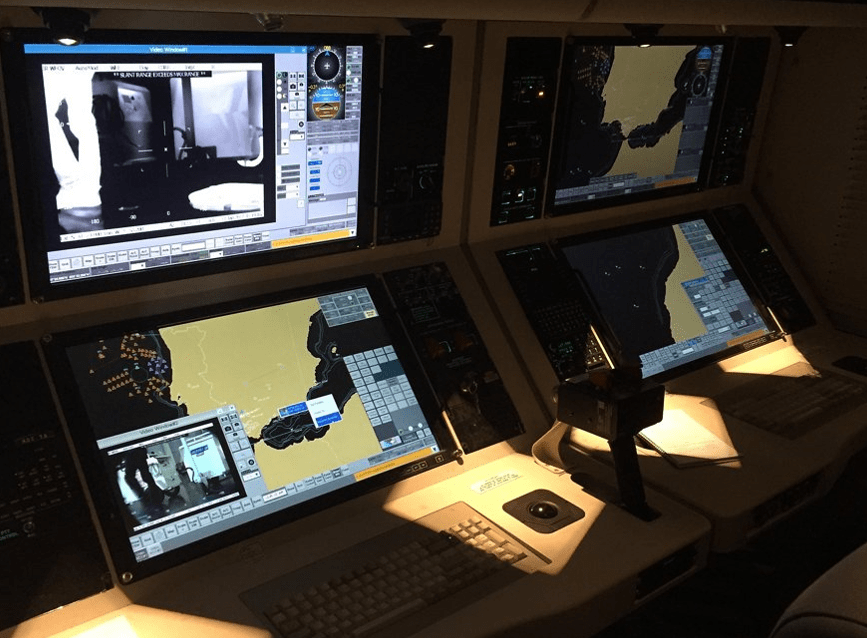
Activities related to antiterrorism, border control and homeland security, thanks to its integrated surveillance systems, including the Fully Integrated Tactical System (FITS).
Medevac
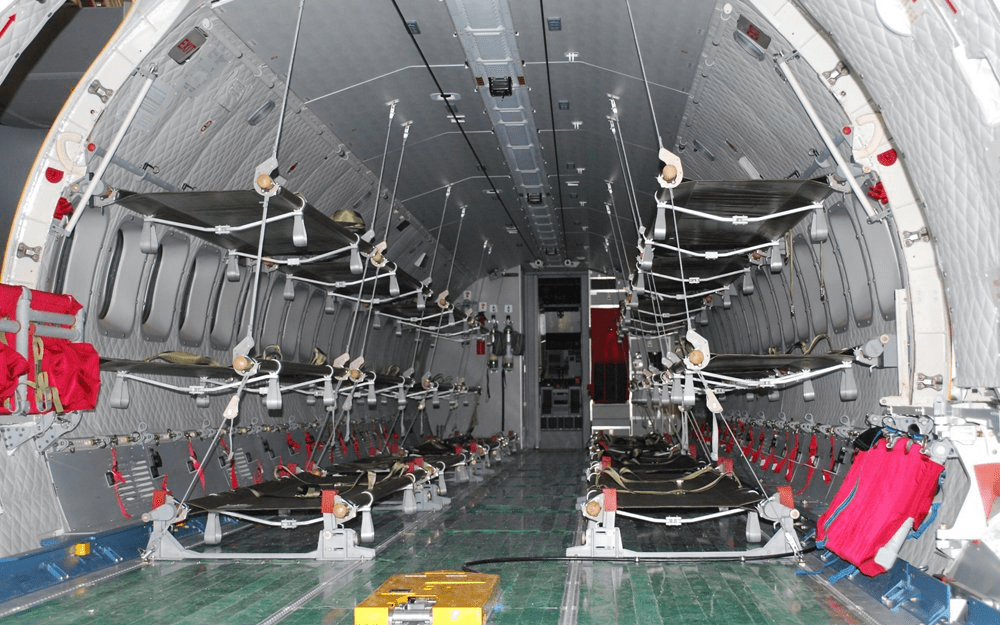
Casualty evacuation (Casevac) and medical evacuation (Medevac) using either basic litters or mobile intensive care units (ICU) with life support equipment.
Refuelling
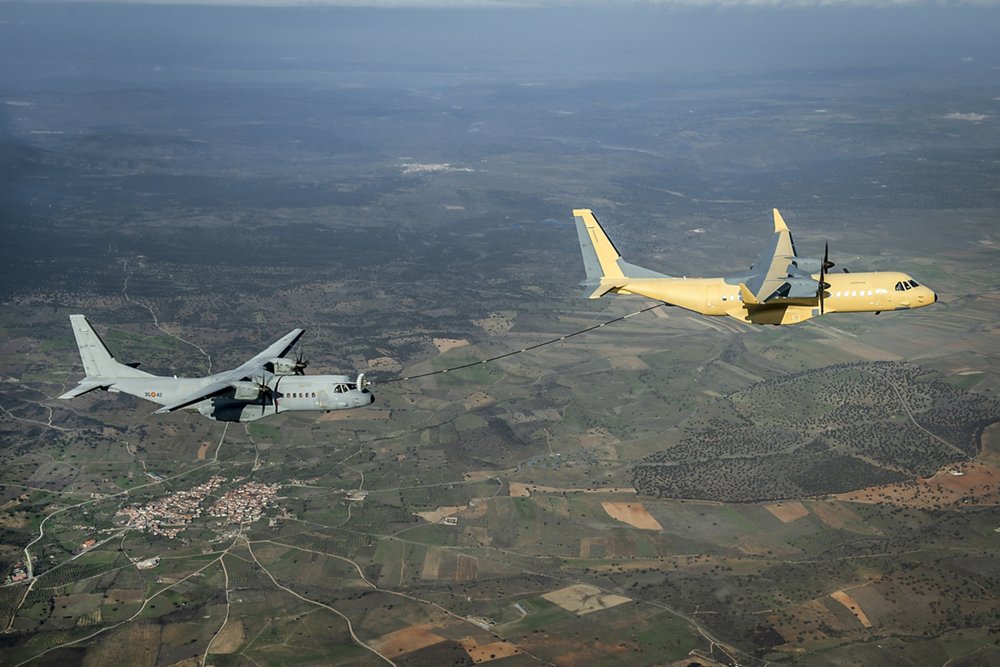
The C295’s ability to serve as an aerial tanker brings additional flexibility to this tactical transport – further increasing its already-proven versatility and opening new mission opportunities.
The first demonstration was performed in 2016, when a C295W medium transport conducted multiple contacts with a standard Spanish Air Force C295. A few months later in early 2017, the C295W successfully conducted refueling contacts with a H225M Caracal helicopter.
In 2020, the C295 achieved its first wet contacts during an air-to-air tanker flight test campaign – utilizing a 100-ft.-long deployable hose with a “basket” at the end, which enables the transfer of fuel to receiver aircraft equipped with a probe.
Benefits
The program will allow the Indian private sector to enter into the technology intensive and highly competitive aviation industry and will augment domestic aviation manufacturing resulting in reduced imports and expected increase in exports, it said.
“The program will act as a catalyst in employment generation and is expected to generate 600 highly skilled jobs directly, over 3,000 indirect jobs and an additional 3,000 medium skill employment opportunities….It will involve development of specialised infrastructure in the form of hangars, buildings, aprons, and taxiways” as said
This might be the last time India invests any amount of money overseas for building aircrafts, because after this project TASL will be capable enough to build and develop aircrafts
It is not so easy to understand a person. Identifying symptoms of depression in people is even more challenging. A friend who’s always hiding behind smile may carry an acute feeling of worthlessness. It is likely that many depressed people could also struggle with recurrent suicidal thoughts.
A depressed person may not be interesting in social interactions and appears withdrawn. If your friend is finding excuses to not turn up for social get-togethers or limiting interactions with you, you may want to find out what’s wrong
Feeling sad or low in mood or being irritable, lack of interest in usually pleasurable activities, feeling fatigued without an underlying cause, sleeping too much (hypersomnia) or too little (insomnia), increased or decreased appetite, changes in weight, reduced sex drive, lack of self-esteem, low concentration, forgetfulness, lack of self-care, feeling hopeless, helpless and worthless, thought of suicide or self-harm are some of the symptoms of depression. In severe form of depression, psychotic features and hallucination are common.
World Suicide Prevention Day (WSPD), celebrated annually on 10th September, is organized by the International Association for Suicide Prevention (IASP) and endorsed by the World Health Organization (WHO). The event represents a global commitment to focus attention on suicide prevention.
The theme of WSPD 2021, “Creating hope through action,” reflects the need for collective, action to address this urgent public health issue. All of us- family members, friends, co-workers, community members, educators, religious leaders, healthcare professionals, political officials and governments- can take action to prevent suicide in the Region.
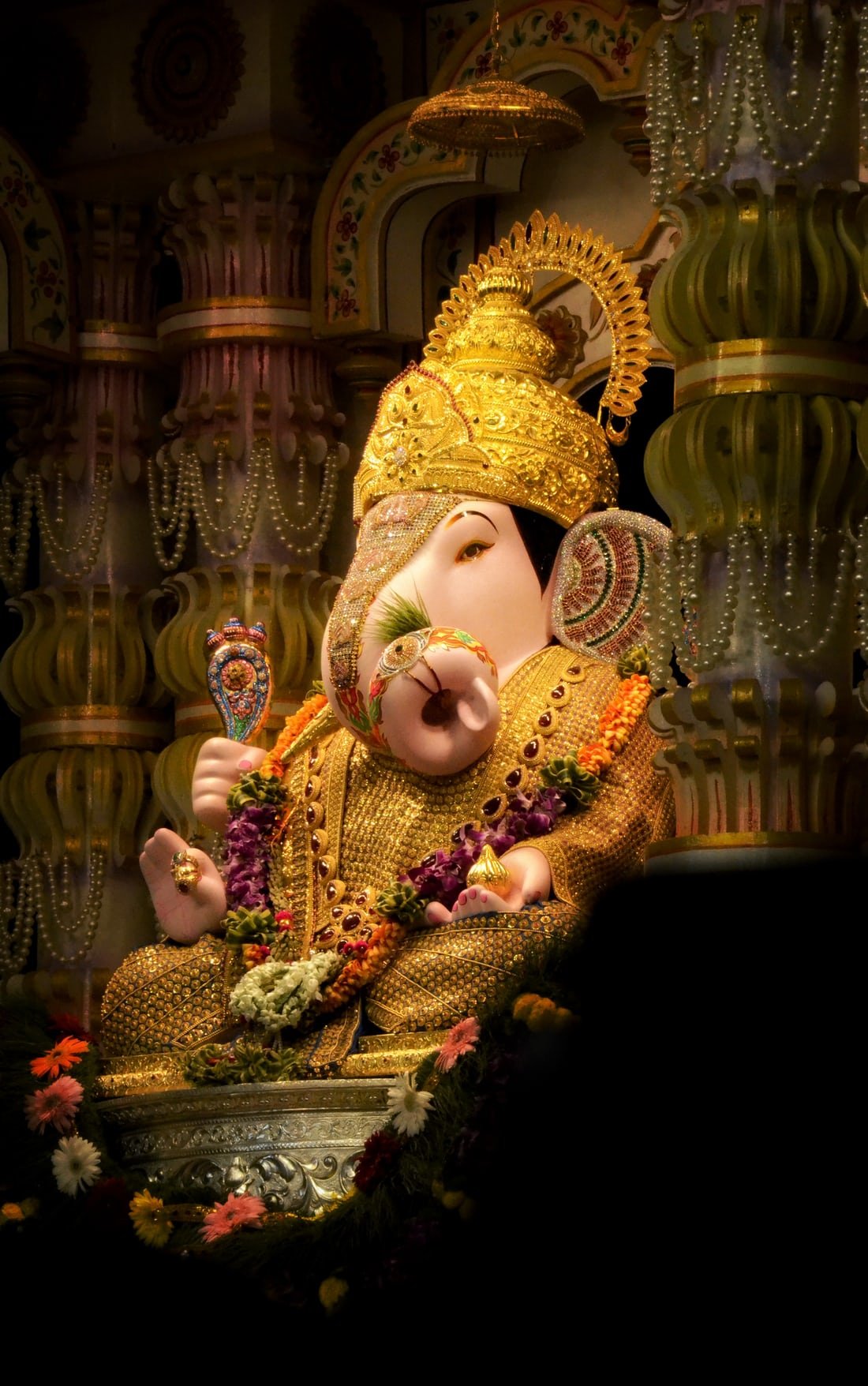
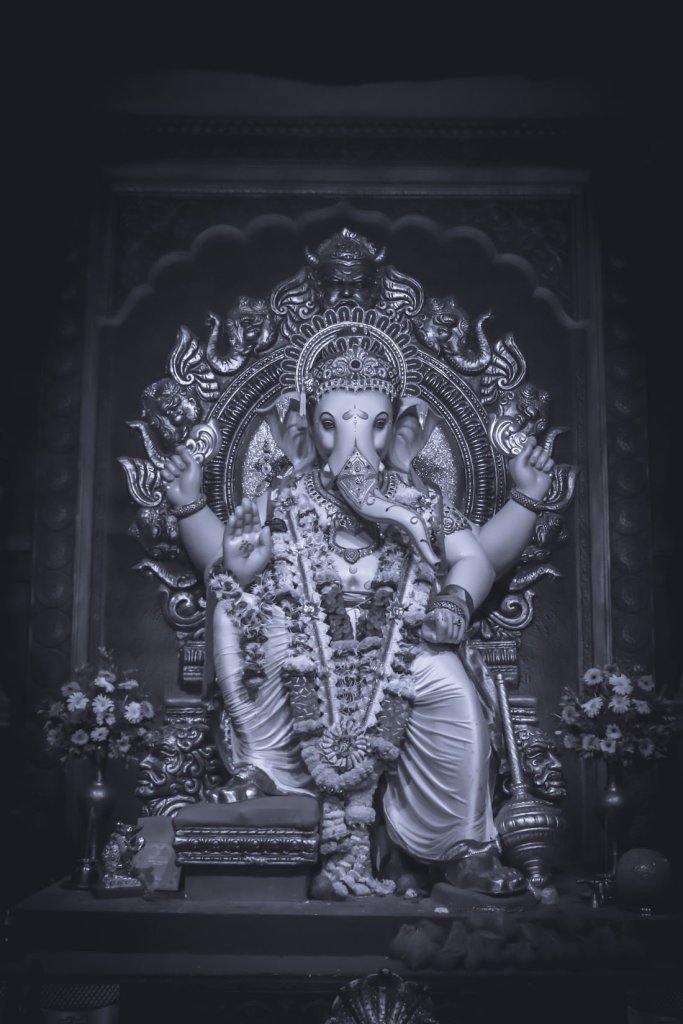
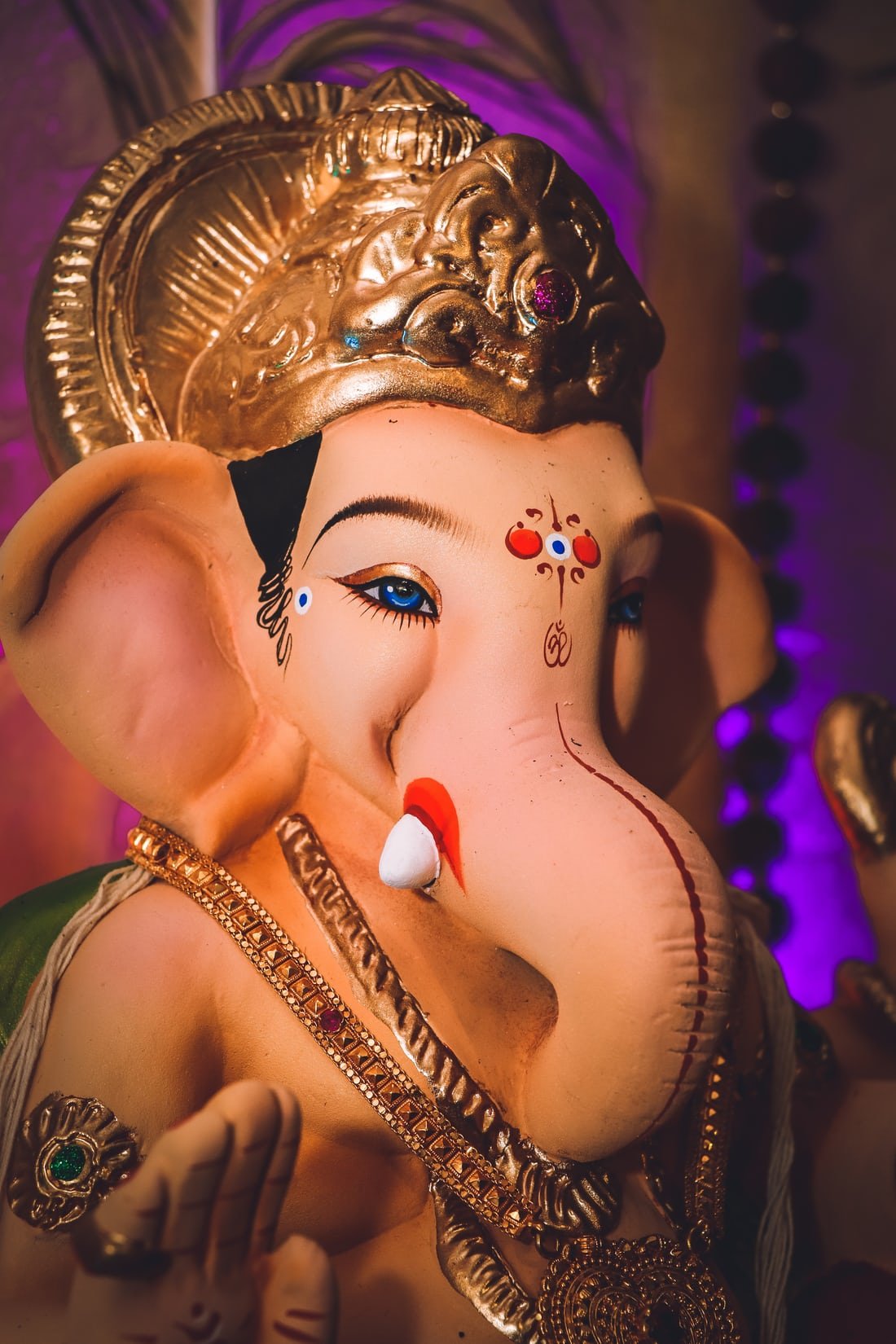
Ganesh Chaturthi, in Hinduism, 10-day festival marking the birth of the elephant-headed deity Ganesha, the god of prosperity and wisdom. It begins on the fourth day (chaturthi) of the month of Bhadrapada (August–September), the sixth month of the Hindu calendar. At the start of the festival, idols of Ganesha are placed on raised platforms in homes or in elaborately decorated outdoor tents. The worship begins with the pranapratishtha, a ritual to invoke life in the idols, followed by shhodashopachara, or the 16 ways of paying tribute. Amid the chanting of Vedic hymns from religious texts like the Ganesh Upanishad, the idols are anointed with red sandalwood paste and yellow and red flowers. Ganesha is also offered coconut, jaggery, and 21 modaks (sweet dumplings), considered to be Ganesha’s favourite food.At the conclusion of the festival, the idols are carried to local rivers in huge processions accompanied by drumbeats, devotional singing, and dancing. There they are immersed, a ritual symbolizing Ganesha’s homeward journey to Mount Kailas—the abode of his parents, Shiva and Parvati. Ganesh Chaturthi assumed the nature of a gala public celebration when the Maratha ruler Shivaji (c. 1630–80) used it to encourage nationalist sentiment among his subjects, who were fighting the Mughals. In 1893, when the British banned political assemblies, the festival was revived by the Indian nationalist leader Bal Gangadhar Tilak. Today the festival is celebrated in Hindu communities worldwide and is particularly popular in Maharashtra and parts of western India.








 DuckDesk